͏ ͏ ͏ ͏ ͏ ͏ ͏ ͏ ͏ ͏ ͏ ͏ ͏ ͏ ͏ ͏ ͏ ͏ ͏ ͏ ͏ ͏ ͏ ͏ ͏ ͏ ͏ ͏ ͏ ͏ ͏ ͏ ͏ ͏ ͏ ͏ ͏ ͏ ͏ ͏ ͏ ͏ ͏ ͏ ͏ ͏ ͏ ͏ ͏ ͏ ͏ ͏ ͏ ͏ ͏ ͏ ͏ ͏ ͏ ͏ ͏ ͏ ͏ ͏ ͏ ͏ ͏ ͏ ͏ ͏ ͏ ͏ ͏ ͏ ͏ ͏ ͏ ͏ ͏ ͏ ͏ ͏ ͏ ͏ ͏ ͏ ͏ ͏ ͏ ͏ ͏ ͏ ͏ ͏ ͏ ͏ ͏ ͏ ͏ ͏ ͏ ͏ ͏ ͏ ͏ ͏ ͏ ͏ ͏ ͏ ͏ ͏ ͏ ͏ ͏ ͏ ͏ ͏ ͏ ͏ ͏ ͏ ͏ ͏ ͏ ͏ ͏ ͏ ͏ ͏ ͏ ͏ ͏ ͏ ͏ ͏ ͏ ͏ ͏ ͏ ͏ ͏ ͏ ͏ ͏ ͏ ͏ ͏ ͏ ͏
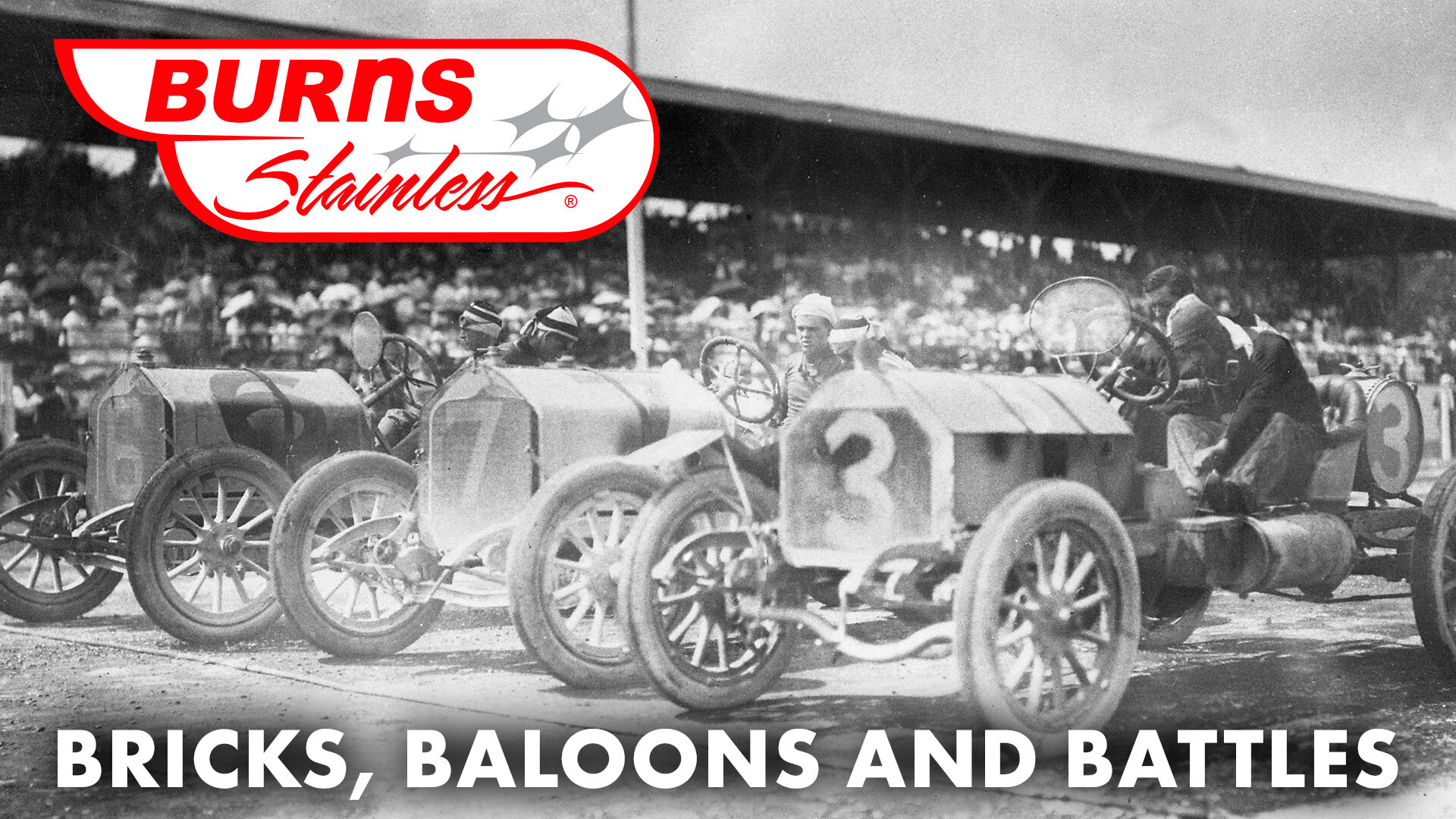
The incredible history of the Indianapolis Motor Speedway.
|
Watching the recent Indy 500 this weekend, we wax nostalgic a bit when this historic track was built.
“It was a perfect mild day.” Says great grand-dad Burns* about his trip as a young boy at the opening of the Indianapolis Motor Speedway in August 1909. "The local "Indianapolis Star" was following the construction of the track for months. We couldn't wait to go, saving our allowance and doing odd jobs to afford a ticket." Burns continues.
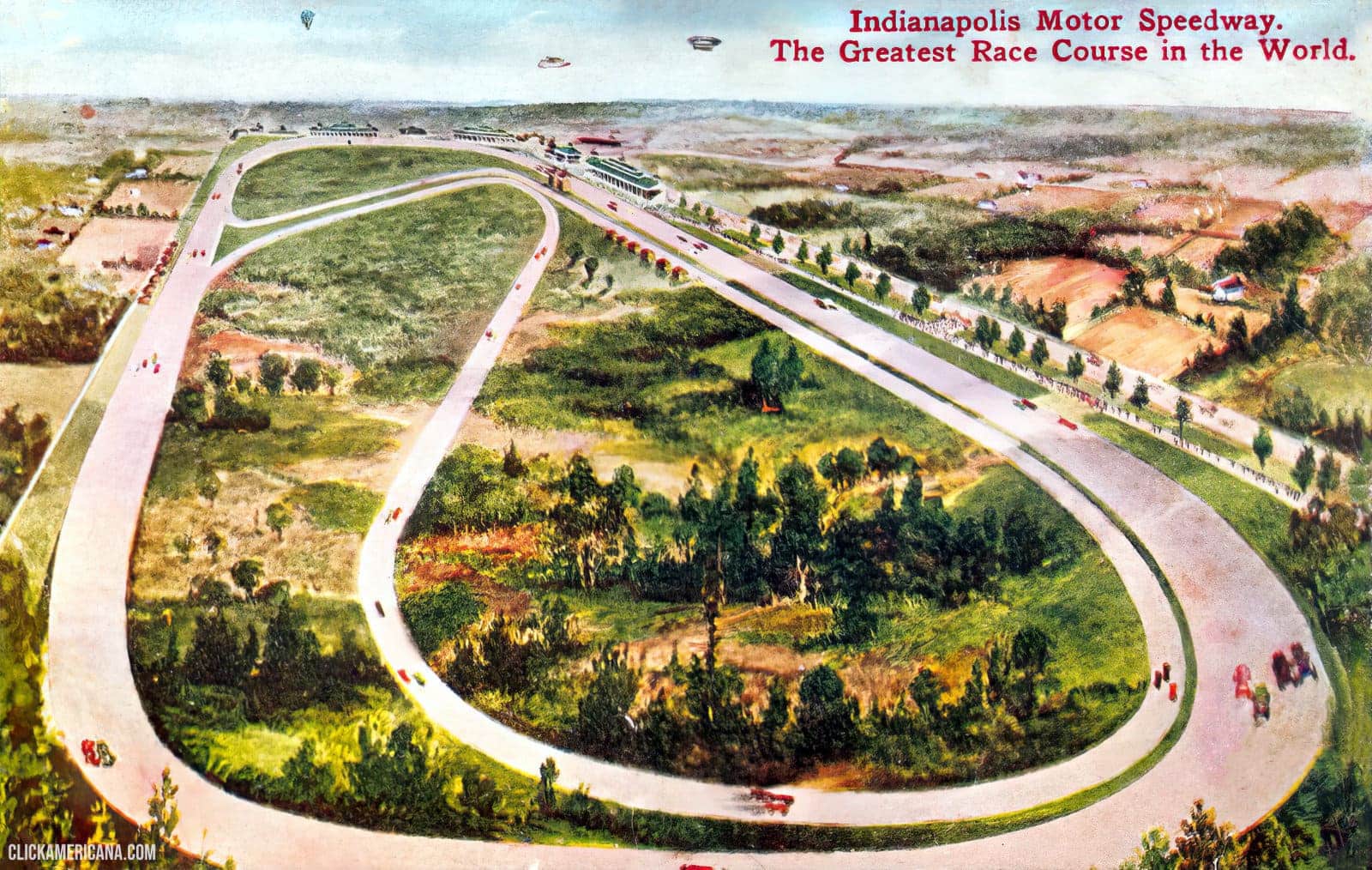
Earlier in the summer balloon races officially opened the track followed by motorcycle races, and now the famous automobiles roll along the then crushed rock and tar surfaced banked squared-oval track. The 2.5-mile circuit remains relatively unchanged with two 5/8-mile straightaways, four identical ¼ mile 90° turns connected by two 1/8 mile “short chute” straights. This is the second purpose-built banked oval racing circuits and the first to be
called a “Speedway”. Today the 250,000+ seats of the Indianapolis Motor Speedway make it the highest capacity sports venue, and the third oldest permanent racetrack in the world.
|
Carl Fisher, entrepreneur, real estate developer and auto industry pioneer first envisioned building the speedway in 1905. He was interested in finding a better means of testing cars before delivering them to consumers. Racing itself, was a great way to promote the cars and at the time motor racing was done on dangerous and ill-suited horse tracks and public roads. He argued that spectators did not “get their money’s worth” seeing only a brief glimpse of the cars speeding
down a linear road. He envisioned a 3 to 5-mile-long track with smooth 100-150-foot-wide surfaces to give manufacturers an chance to test cars at sustained speeds and give drivers a chance to learn their limits. He predicted speeds could reach to 120 mph on a 5-mile course. After visiting Brooklands, outside of London, England, he was determined to build the speedway. Fisher is quoted as saying: “Indianapolis is going to be the world’s greatest center of horseless carriage manufacturing, what
could be more logical than building the world’s greatest racetrack right here?”
The Speedway Construction Takes SPEED!
In December of 1908, Fisher convinced fellow enthusiasts to join him in purchasing the 328-acre Pressley Farm for $72,000.00. The group formed the Indianapolis Motor Speedway Company on March 20, 1909, with a capitalization of a quarter of a million dollars. After three iterations, the track was laid out in its configuration still present today...
|
|
|
|
FOR BUILDERS WHO DEMAND PRECISION, POWER AND PERFORMANCE
|
|
|
|
© Burns Stainless
1041 W. 18th Street, Suite B104,, Costa Mesa, United States, 92627
This email was sent to [[contact.email]] because you are a professional contact in our industry. If you prefer not to receive future updates, you can unsubscribe at any time."
Edit preferences | Unsubscribe
|
|
|
|
|
|
|
|